
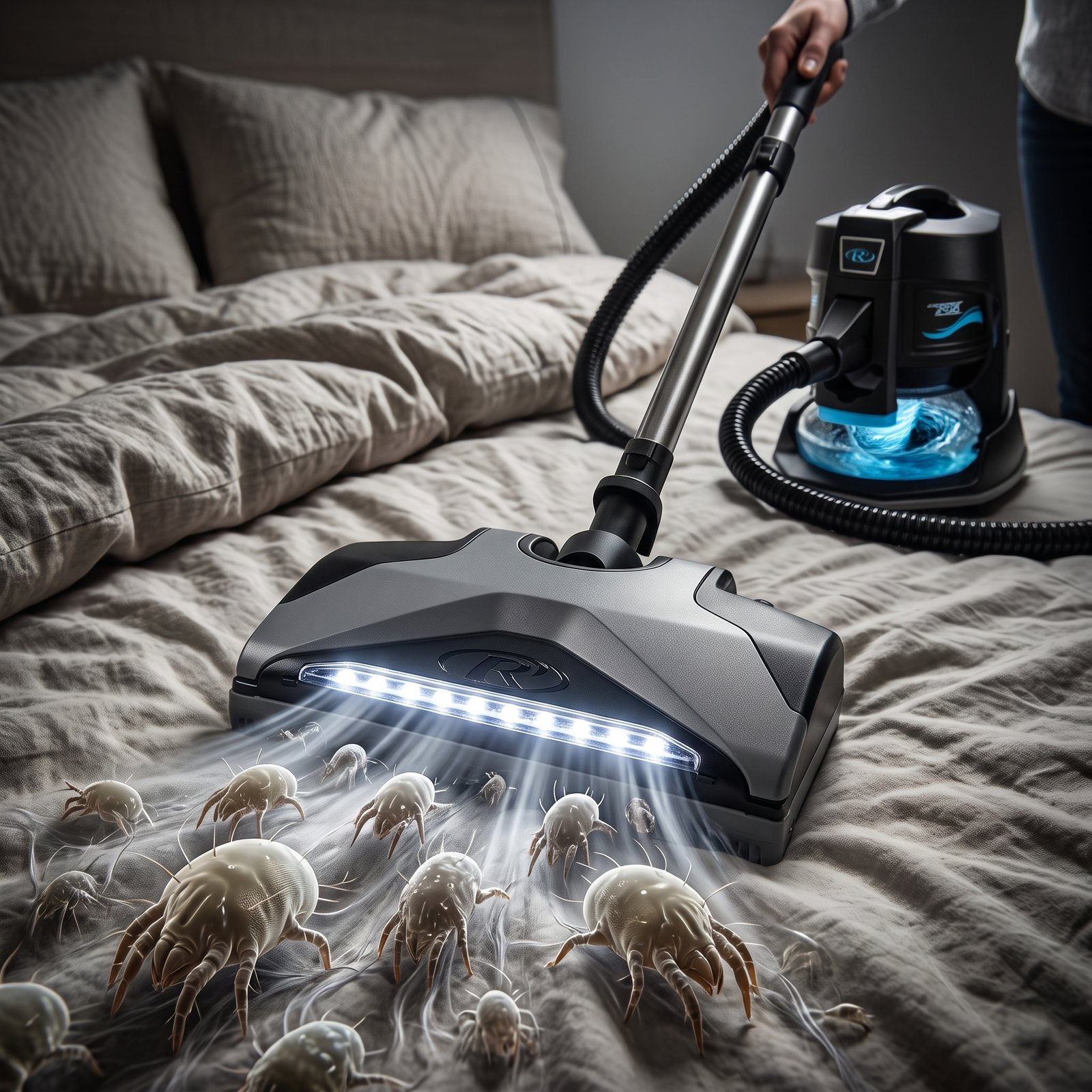
If your mattress, sofa, or carpet hasn’t been deep-cleaned in a while, chances are it’s home to millions of dust mites you can’t see. These microscopic pests are one of the most common triggers of indoor allergies — and a regular vacuum often isn’t enough to get rid of them. Here’s what dust mites are, how they affect your health, and how the Rainbow water-filtration vacuum helps remove them from your home.
What Are Dust Mites?
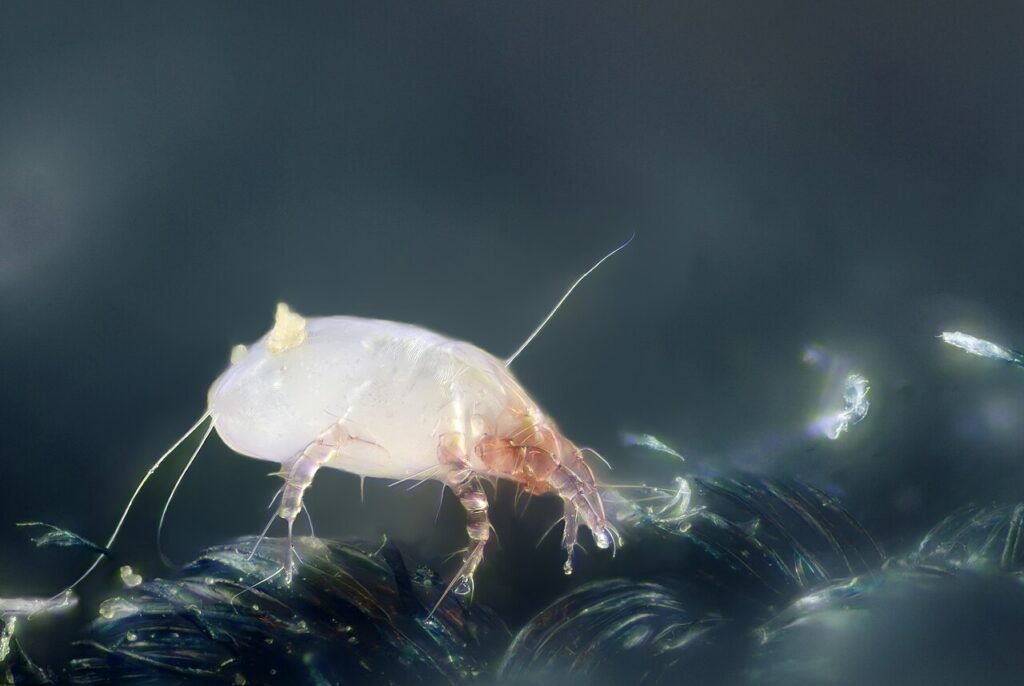
Dust mites are microscopic, spider-like creatures — too small to see with the naked eye — that live in warm, humid household environments. They feed on shed human and pet skin flakes and thrive in mattresses, pillows, carpets, curtains, and upholstered furniture. A single mattress can host anywhere from thousands to millions of dust mites, along with their droppings and body fragments, which is what actually triggers allergic reactions.
How Dust Mites Can Affect Your Health
Dust mites themselves don’t bite, but their droppings and decomposing bodies contain proteins that are a leading cause of indoor allergy and respiratory issues, including:
- Allergic rhinitis — sneezing, runny or blocked nose, itchy eyes
- Asthma flare-ups — dust mites are one of the most common asthma triggers, especially in children
- Eczema and skin irritation — atopic dermatitis can worsen with prolonged dust mite exposure
- Poor sleep quality — nasal congestion and irritation from mite allergens can disrupt breathing at night
- Chronic sinus problems — ongoing exposure can lead to persistent sinus inflammation
Because dust mites concentrate in mattresses and pillows, the exposure happens every single night, making bedrooms one of the most important rooms to keep mite-free.
Why Ordinary Vacuums Fall Short
Most standard vacuums use bags or dry filters that trap larger debris but recirculate fine allergen particles back into the air — including dust mite fragments and droppings. Without proper filtration, regular vacuuming can actually stir up allergens rather than remove them.
How Rainbow Vacuum Removes Dust Mites
Rainbow uses water-based filtration instead of a bag or dry filter. As it vacuums, dust, allergens, and fine particles — including dust mite debris — are pulled through a water basin, where they’re trapped and drowned in water instead of being recirculated into the air through an exhaust. This means:
- These allergens are captured at the source, not just pushed around
- No dry filter to clog or lose suction over time
- Cleaner exhaust air compared to bag-based vacuums
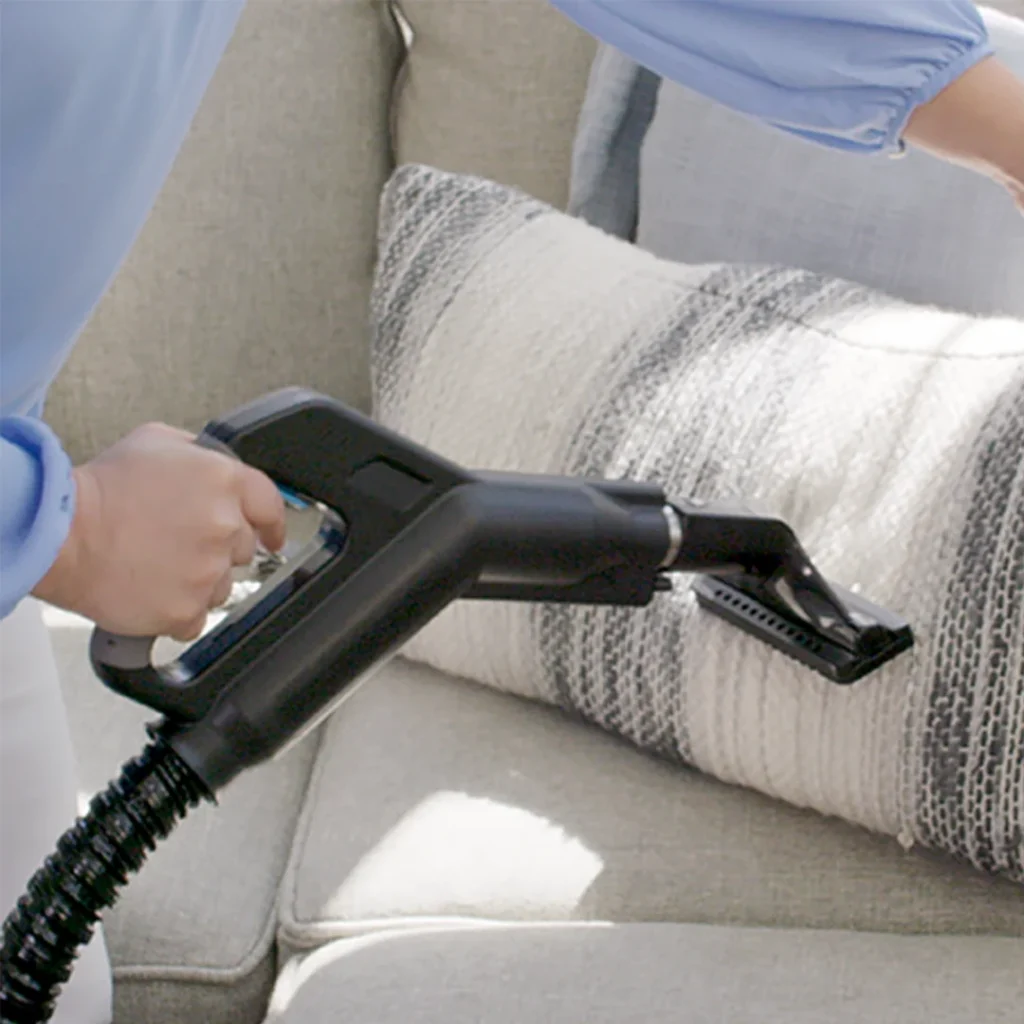
- Effective on mattresses, carpets, sofas, and curtains — the exact places they live
Additional Tips to Reduce Dust Mites at Home
- Wash bedding weekly in hot water (60°C/140°F or higher)
- Use dust-mite-proof covers on mattresses and pillows
- Keep indoor humidity below 50% — the same range that helps prevent a mold-free home
- Vacuum mattresses, sofas, and carpets with Rainbow at least once a week
- Reduce clutter and fabric surfaces where dust can settle
Where Dust Mites Hide Most in a Filipino Home
Dust mites concentrate wherever warmth, humidity, and shed skin cells combine — which describes most Metro Manila bedrooms for a good part of the year. Mattresses and pillows top the list, followed by upholstered sofas, curtains, and stuffed toys left on beds overnight.
Air-conditioned rooms aren’t automatically safer: mites thrive at the same humidity levels most AC units leave behind unless a dehumidifier runs alongside it. Carpeted floors and area rugs round out the list, since loose fibers trap skin flakes far longer than tile or hardwood does.
Dust Mites vs. Bed Bugs: Clearing Up the Confusion
These two get mixed up constantly, but they’re not the same problem. Dust mites are microscopic, don’t bite, and trigger symptoms purely through allergens in their droppings and remains. Bed bugs are visible to the naked eye, do bite, and leave physical marks on skin.
If you’re waking up with itchy welts, that points to bed bugs and a different treatment approach entirely. If it’s sneezing, congestion, or itchy eyes without any bite marks, these allergens are the more likely culprit — and the fix is consistent vacuuming and humidity control, not pest treatment.
How Often Should You Vacuum for Dust Mites?
For most households, vacuuming mattresses, sofas, and carpets with a water-filtration vacuum like Rainbow once a week is enough to keep dust mite populations under control. If anyone in your home has allergies, asthma, or eczema, twice a week is a better target, especially for the mattress and pillows where dust mites concentrate most. Pair regular vacuuming with hot-water washing of beddings and humidity control for the best results — no single step eliminates dust mites completely, but consistent cleaning keeps their numbers low enough that they stop triggering symptoms.
Setting Up a Dust Mite Prevention Routine
Consistency matters more than intensity here. A single marathon cleaning session once a month does far less than shorter, more frequent passes spread across the week, since allergen levels start climbing again almost immediately once skin flakes and humidity build back up.
A realistic weekly rhythm looks like this: a quick vacuum of the mattress and pillows on day one, sofas and curtains a few days later, and a full floor pass on the weekend. Pair that with the humidity and laundry habits already covered above, and most households see a noticeable drop in morning sneezing and congestion within two to three weeks.
Kids’ rooms and guest rooms are easy to deprioritize since they’re used less often, but infrequent use also means infrequent cleaning — worth adding to the rotation specifically because they’re the rooms most likely to get skipped.
Take Control of the Air in Your Home
Dust mites are invisible, but their impact on allergies, asthma, and sleep quality is very real. A Rainbow vacuum’s water filtration system gives you a way to actually remove dust mite allergens from your home instead of just moving them around.
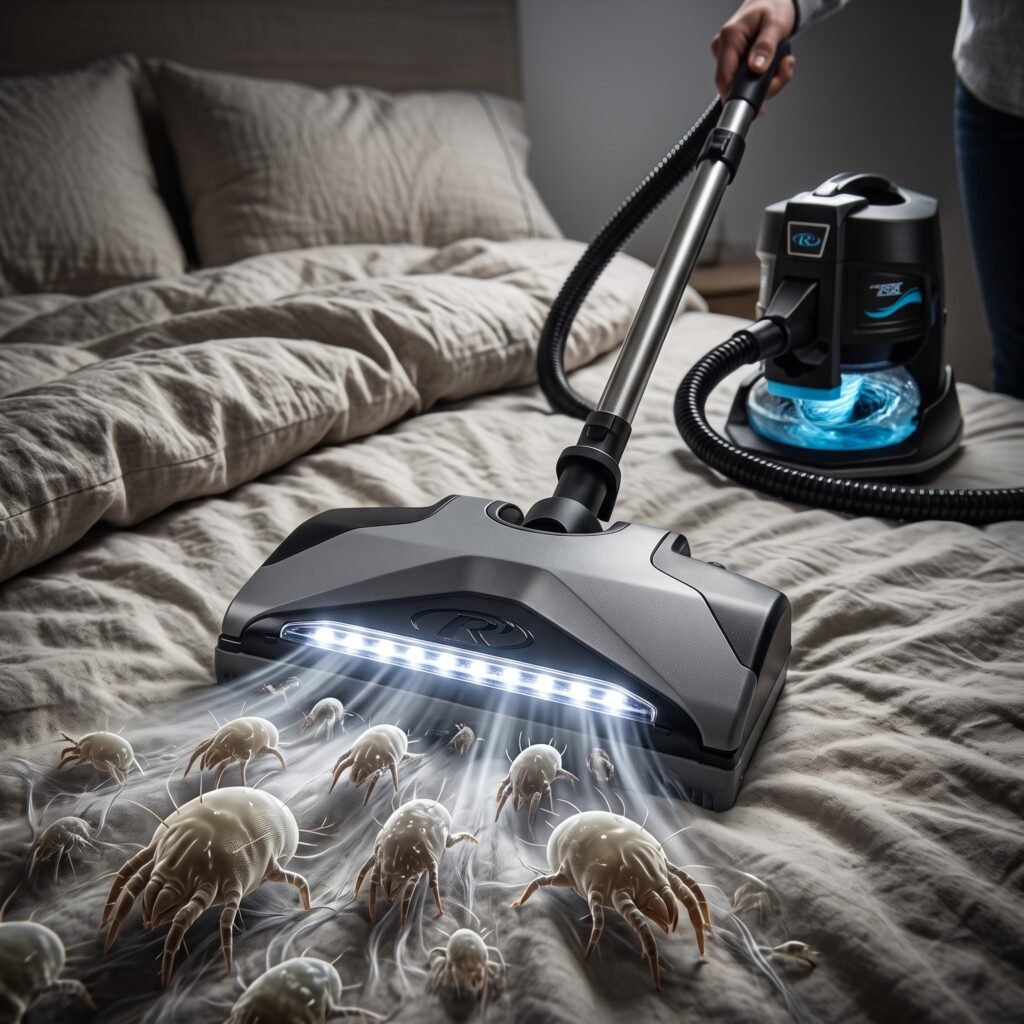
Want to see how Rainbow performs in your own home? Contact us to book a free demo and experience the difference water filtration makes.