
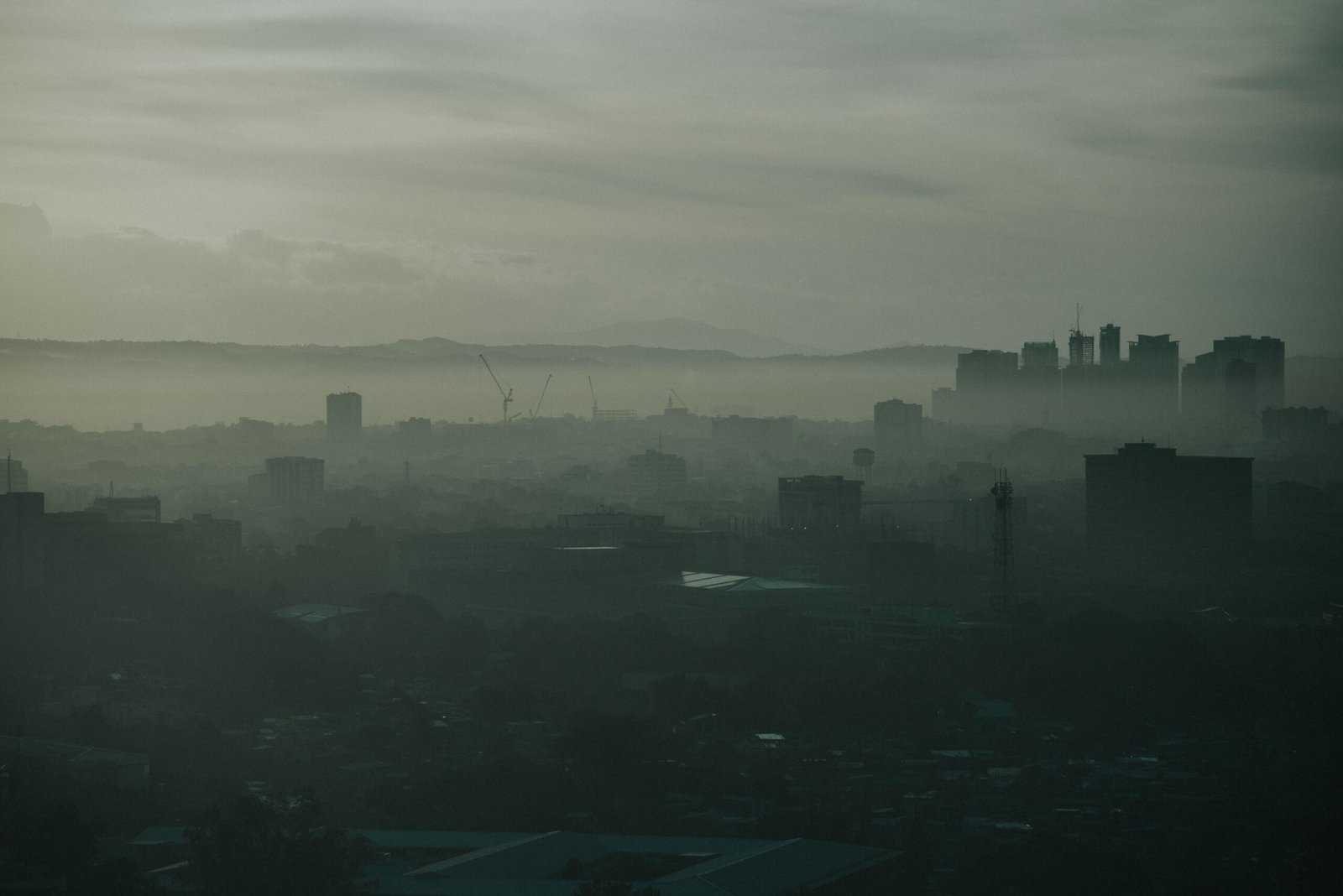
On the evening of August 31, Metro Manila air quality in several cities plunged to “Acutely Unhealthy” levels, according to ABS-CBN News. The culprit isn’t the usual traffic smog — it’s haze drifting all the way from forest fires in Kalimantan, Indonesia, carried across the equator by an unusual wind pattern.
If the sky has looked unusually gray this week or your eyes have been stinging on your commute, you’re not imagining it. Here’s what the data shows, and what you can do at home while the haze clears.
Just How Bad Is It?
The DENR-Environmental Management Bureau’s Air Quality Index (AQI) readings, based on fine particulate matter (PM2.5) concentrations, painted an alarming picture as of 7 p.m. on August 31:
- Parañaque (Don Bosco): AQI 270 — Acutely Unhealthy
- Las Piñas: AQI 205 — Acutely Unhealthy
- Manila: AQI 198 — Very Unhealthy
- Malabon, Valenzuela, Quezon City (Ateneo), Taguig, Marikina, San Juan, Muntinlupa, Pasay, and Mandaluyong: AQI 162–186 — Very Unhealthy
- Pateros, Navotas, and Makati: AQI 108–133 — Unhealthy for Sensitive Groups
PM2.5 refers to particles so tiny they can slip past your body’s natural defenses and settle deep in your lungs. Children, seniors, pregnant women, and anyone with existing heart or lung conditions are especially at risk.
“Stay Indoors” Isn’t Enough If Your Indoor Air Isn’t Clean
Quezon City has already issued an Air Quality Advisory, urging vulnerable residents to wear masks outdoors and stay inside as much as possible. That’s good advice — but haze and fine dust don’t stop at your front door. PM2.5 particles are small enough to seep in through gaps in windows and doors, aircon vents, and every time the door opens.
Worse, a standard vacuum can work against you indoors: many models trap larger debris but exhaust the finest, most dangerous dust right back into the air you’re breathing.
How the Rainbow Can Help You Ride Out the Haze
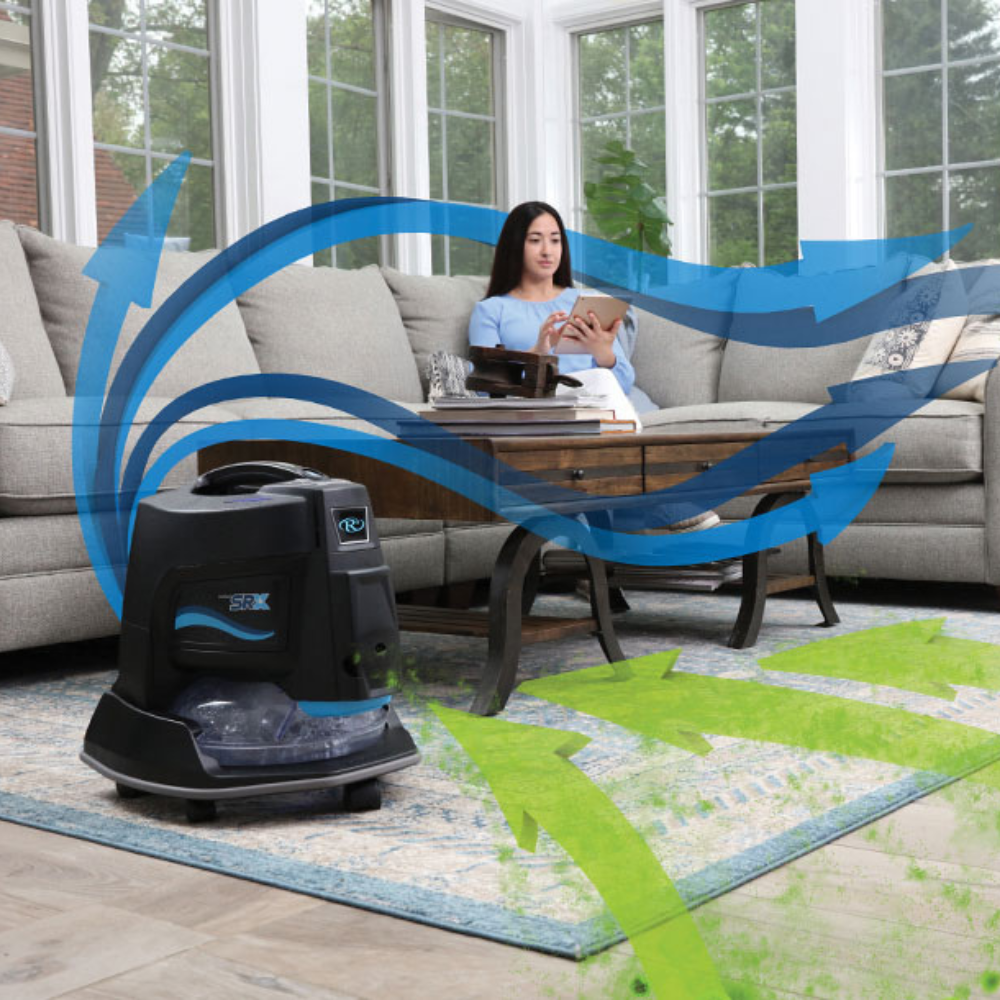

This is exactly the kind of situation the Rainbow Cleaning System was built for. Instead of a bag or filter that can recirculate fine dust, the Rainbow uses water as its filtration medium.
- Traps fine dust, not just debris: As you clean, dust and soot are pulled through water instead of a bag — you’ll often see the water darken, a visible sign of what would otherwise get pushed back into your air.
- Keeps indoor air moving cleaner: With outdoor air compromised, every pass indoors matters more. Regular use helps reduce the dust and airborne particles settling on your floors, furniture, and vents.
- No recirculated exhaust: Unlike bagless vacuums that can blow fine particulate matter straight back into the room, the Rainbow’s water basin is designed to hold onto what it collects.
You can also add a few drops of Rainbow fragrance — Eucalyptus is a popular pick — to the water basin, so your home feels fresh even while the windows stay shut.
How to Check Metro Manila Air Quality Yourself
You don’t have to wait for a news alert to know when Metro Manila air quality has turned bad. The DENR-EMB publishes live AQI readings, and free apps like IQAir show PM2.5 levels down to the barangay level. Checking once in the morning and once in the evening during haze events is enough to know when to keep windows shut and when it’s safe to air the house out.
As a rough guide: AQI under 50 is good, 51-100 is moderate, 101-150 is unhealthy for sensitive groups, and anything past 150 means everyone should start limiting outdoor exposure — exactly the range Metro Manila air quality hit across most cities during this haze event.
Protecting Metro Manila Air Quality Indoors, Room by Room
Not every room needs the same level of attention when outdoor air turns hazardous.
Bedrooms matter most since you spend 7-8 hours a night breathing whatever is circulating there — vacuum soft surfaces and run an air purifier overnight if you have one.
Living areas near windows and doors collect the most infiltrated dust; a water-filtration vacuum pass along baseboards and curtains catches what settles there first.
Kitchens already deal with cooking particulates, so haze days are a good time to double up on exhaust fan use and wipe down surfaces more often than usual.
Why Metro Manila Air Quality Keeps Swinging Between Bad and Worse
Even without a haze event, Metro Manila air quality struggles for two structural reasons: traffic density and geography. Vehicle exhaust alone makes the metro one of the most PM2.5-heavy regions in Southeast Asia on an ordinary day, and the surrounding mountains can trap pollutants over the basin instead of letting them disperse.
Add a cross-border haze event like this one on top of that baseline, and Metro Manila air quality can swing from merely poor to acutely unhealthy within a single afternoon. That volatility is exactly why an indoor plan matters more here than in cities with cleaner baseline air — you’re rarely starting from zero.
Metro Manila Air Quality FAQs
How long does haze-related poor air quality usually last?
It depends on wind patterns and the source fires, but past events affecting Metro Manila air quality have lasted anywhere from a few days to over a week.
Does closing windows fully protect indoor air?
Not completely — fine PM2.5 particles still seep in through small gaps, vents, and every door opening, which is why indoor filtration still matters even with windows shut.
Is it safe to use a regular fan during bad air quality days?
A fan alone just recirculates whatever is already in the room; pairing it with a water-filtration vacuum pass or an air purifier actually removes particles instead of just moving them around.
Protect Your Family While You Wait It Out
Experts say the haze may persist for several more days. While it clears, the most control you have is over the air inside your own home.
Book a Free In-Home Demo Today! See for yourself how much dust the Rainbow pulls out of your home’s air — especially while Metro Manila air quality remains unpredictable. Homes already prone to dust and humidity problems tend to feel haze events the hardest.