
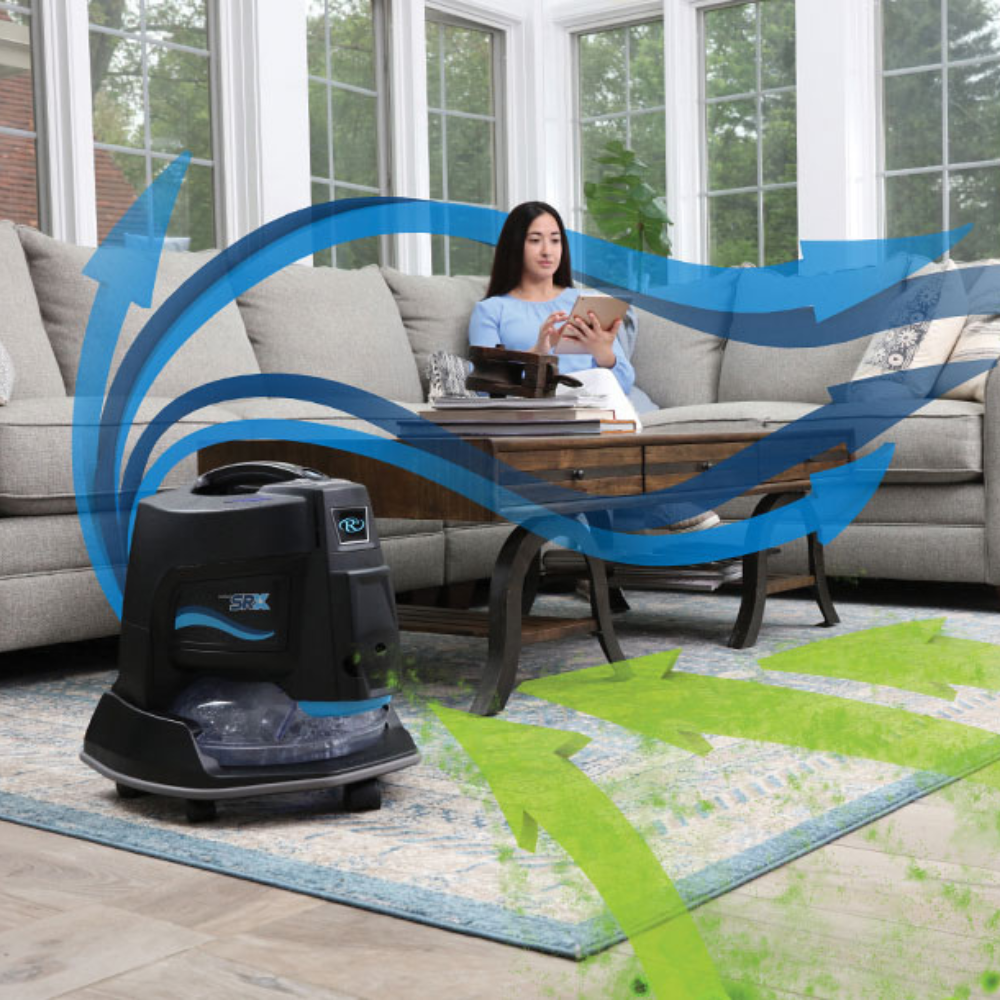
You’ve mopped, wiped down every counter, and even sprayed your favorite air freshener — but the moment you walk back into the living room, that damp, musty smell is still there. If this sounds familiar, you’re not imagining it, and you’re definitely not alone. With typhoon season keeping Metro Manila and much of the country soaked through November, thousands of homes are fighting the exact same losing battle against musty smell right now.
What Musty Smell Actually Is (and Why It Keeps Coming Back)
That “amoy lumot” odor isn’t dirt — it’s biology. Musty smell is caused by microbial volatile organic compounds, gases released by mold and mildew as they grow in damp material. As long as moisture is trapped somewhere in your home, the organisms producing that musty smell have exactly what they need to keep multiplying, which is why the odor returns within a day or two of any normal cleaning.
Mold spores are always present in the air, indoors and outdoors alike. They only become a musty smell problem once they land somewhere damp enough to germinate — a soaked carpet backing, a cushion that never fully dried, a mattress that’s been absorbing humidity for weeks. Understanding that musty smell is a living, growing thing rather than a stain is the first step to actually getting rid of it instead of just covering it up.
5 Rainy Season Causes of Musty Smell in Your Home
Musty smell is rarely about one culprit. During the rainy season, several everyday items quietly hold onto humidity long after the rain stops:
1. Carpets and Rugs
Carpets that never fully dry between downpours become one of the biggest sources of musty smell in the house, especially in ground-floor rooms. The padding underneath holds moisture even longer than the visible fibers, so a carpet can feel dry to the touch while still producing musty smell from underneath.
2. Upholstered Sofas and Chairs
Furniture near windows catches rain splash or simply absorbs humid air day after day, giving musty smell a place to settle deep in the cushion foam. Foam cushions are especially bad at releasing trapped moisture on their own, which is why sofas often stay a source of musty smell long after the rain has passed.
3. Mattresses
Bodies generate heat and moisture all night, and a mattress that’s already humid from the season absorbs even more — a slow, steady contributor to musty smell that’s easy to overlook since it’s covered by sheets most of the day.
4. Curtains and Drapes
Curtains soak up ambient humidity like a sponge, and because they rarely get washed as often as other fabric in the house, they hold onto musty smell longer than almost anything else in a room.
5. Mold and Mildew in Closets and Aircon Vents
Dark, enclosed spaces with poor airflow are exactly where mold and mildew spores thrive, quietly feeding the musty smell that seems to come from nowhere. Aircon vents in particular can circulate that musty smell through an entire room every time the unit turns on.
Why Wiping Surfaces Doesn’t Get Rid of Musty Smell
Regular cleaning deals with what you can see — floors, countertops, glass. But musty smell isn’t sitting on the surface; it’s living deep inside carpet fibers, cushion foam, and mattress padding, exactly where a mop or a wipe-down can’t reach. Worse, a typical vacuum can actively make things worse: many models pull in mold spores and fine dust, then blow a portion of it straight back into the room through the exhaust, which is part of why musty smell always seems to return within a day or two.
How the Rainbow’s Water Filtration Tackles Musty Smell at the Source
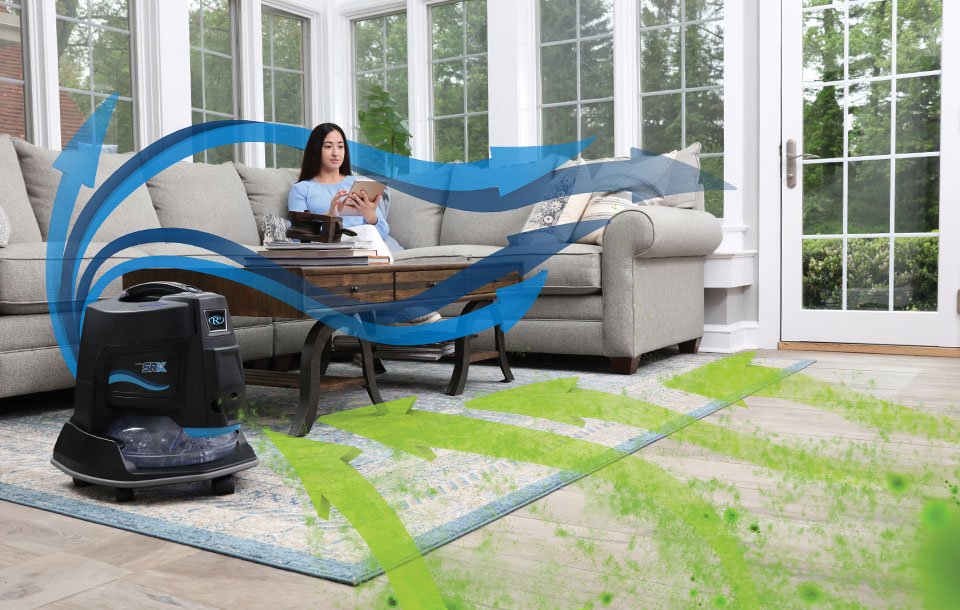
The Rainbow system uses water, not a bag or a dry filter, to trap what it picks up. Dust, mold spores, and allergens get pulled in and held in the water basin instead of being recirculated into your indoor air, so the moisture-loving particles causing the smell actually leave the house instead of resettling somewhere else in the room.
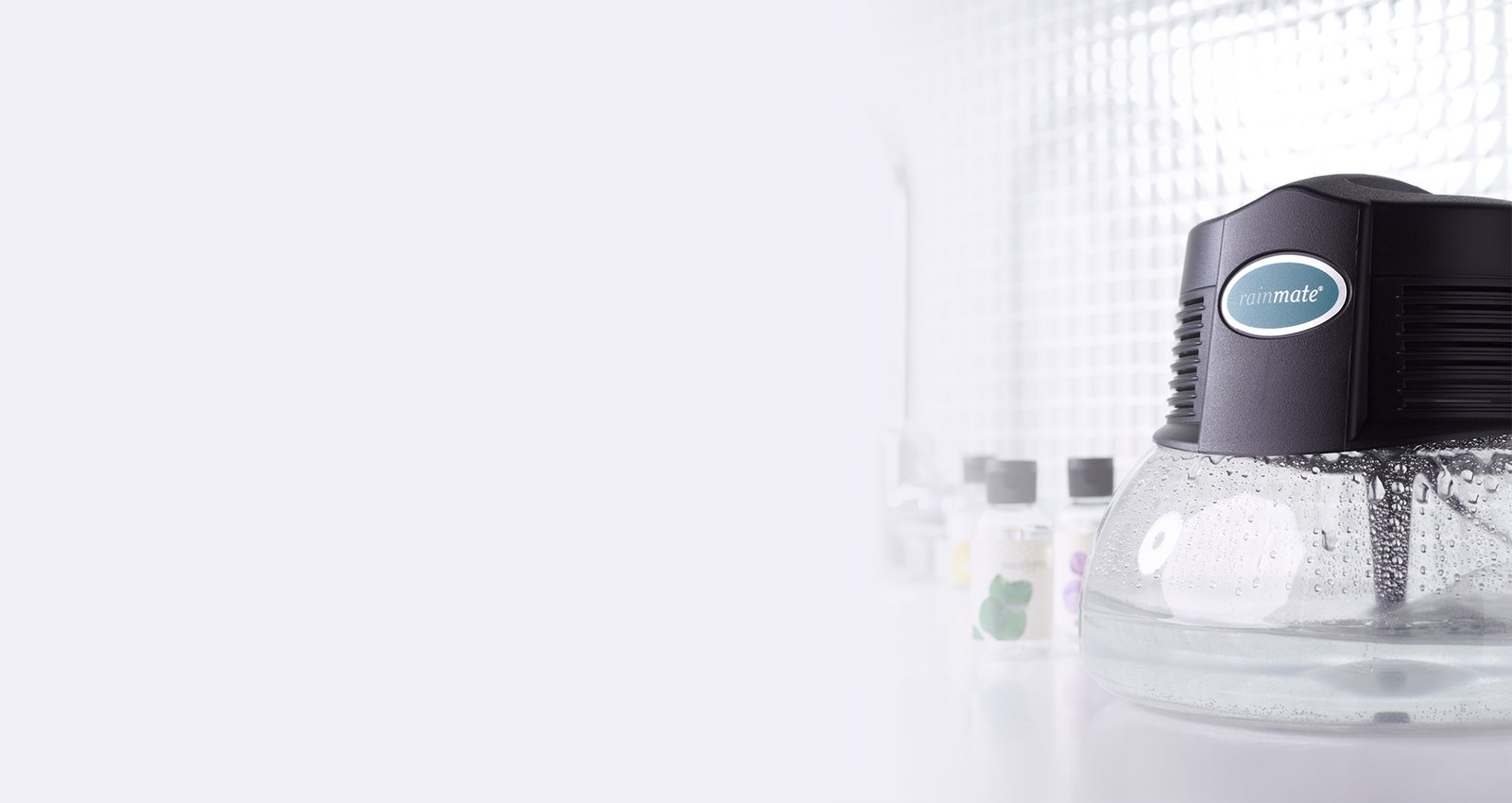
Because it’s built to do more than floors, the same system can deep-clean the exact places rainy season that odor hides: carpets and rugs, sofas and cushions, mattresses, and curtains, using the attachments made for each surface. For aircon vents and hard-to-reach corners where mildew likes to collect, RainMate rounds out the job.
Room-by-Room: Where Musty Smell Hides Most During Typhoon Season
Living room or sala: Sofas, rugs, and curtains near windows are the first to pick up this odor whenever rain blows in through a gap, and the sala is usually where a household notices the odor first simply because everyone spends the most time there.
Bedrooms: Mattresses and closets are quiet contributors, since clothes and bedding trap humidity long after the room itself feels dry to the touch. A closet packed tightly with clothes is a common blind spot for the smell because airflow barely reaches the back of the rod.
Bathroom and laundry area: Constant moisture makes this the easiest room for mold to establish itself, and that odor here tends to travel through the rest of the house through open doors and hallways.
Closets and storage: Poor airflow and packed shelves are a near-perfect environment for this odor to develop undisturbed for weeks, particularly in storage areas that only get opened occasionally.
DIY Musty Smell Remedies That Only Mask the Problem
Baking soda, charcoal bags, and scented sprays are the go-to fixes most households reach for first, and they do genuinely absorb some odor in the air. What they don’t do is remove the moisture and mold spores actually producing that odor in the first place — which is why the smell reliably comes back once the baking soda or charcoal loses its absorbing capacity.
Air freshener is the least effective option of all for that odor, since it only adds a stronger scent on top of the existing odor rather than removing anything. For a smell that’s coming from inside carpet padding or cushion foam, no amount of spraying reaches the actual source.
Musty Smell vs. Everyday Odors: How to Tell the Difference
Not every unpleasant smell during rainy season is actually musty smell in the mold-and-mildew sense. Cooking odors and body odor tend to fade within hours once windows are opened or the source is cleaned. The smell is different: it’s persistent, it’s strongest in enclosed or humid areas, and it tends to intensify rather than fade when a room has been closed up for a while — a strong signal that moisture, not just a passing smell, is the real issue.
When Musty Smell Means You Need a Professional Mold Inspection
Most musty smell in a Philippine home during rainy season comes from surface-level moisture in fabric and upholstery, which a proper deep clean resolves. But if the smell keeps returning strongly even after thorough cleaning, or if you notice visible dark spots on walls or ceilings, that can point to mold growing inside a wall cavity or under flooring — a situation where a professional mold inspection is worth the call, since that kind of smell won’t respond to any surface cleaning at all.
Preventing Musty Smell Before the Next Downpour
A few habits go a long way toward keeping the smell from settling in during the rest of typhoon season. Run the aircon or an electric fan regularly to keep air moving through rooms that tend to stay humid. Avoid drying laundry indoors when possible, since wet clothes release a surprising amount of moisture into the air. Keeping an eye on incoming weather through PAGASA’s forecasts also helps you close windows ahead of a downpour instead of after the damage is done, and mold health effects are well documented by the US CDC’s mold FAQ if you want to understand exactly what that odor means for your family’s health.
Musty Smell: Quick Answers
Why does this odor come back after I clean? Because standard cleaning removes surface dirt but not the trapped moisture and mold spores living deep in fabric and padding — the actual source keeps producing the odor.
Is the smell dangerous? Prolonged exposure to mold and mildew, the usual source of that odor, can trigger allergy symptoms and respiratory irritation, especially in children and anyone with asthma.
How long does rainy season musty smell usually last? Without addressing the trapped moisture directly, it can persist for the entire rainy season, from June through November.
Can an air purifier fix the smell on its own? An air purifier can help with airborne particles, but it does nothing for the moisture trapped inside carpets, cushions, and mattresses that keeps producing that odor in the first place — the fabric itself still needs to be deep cleaned.
Does this odor mean my home has a mold problem? Not necessarily a serious one — most cases are surface-level moisture in fabric that responds well to deep cleaning, though persistent smell paired with visible dark spots is worth having checked.
Rainy Season Isn’t Over Yet — Get Ahead of Musty Smell
With more rain and possible typhoons still ahead this season, a one-time deep clean without addressing trapped moisture is only a temporary fix. See how the Rainbow handles the damp spots in your own home before that odor settles in for good.
Book a Free In-Home Demo and breathe easier for the rest of the season.