

More Filipino households than ever are sharing their homes with dogs and cats — and along with the cuddles comes a familiar struggle: pet hair on the sofa, pet hair on the bed, pet hair somehow on the ceiling fan. If you’ve ever vacuumed a room in the morning only to find it covered in fur again by dinner, the problem usually isn’t your cleaning schedule. It’s your vacuum.
It’s Not Just Pet Hair — It’s What’s Attached to It
Visible pet hair is only part of the story. Every shed hair carries along things you can’t see:
- Pet dander — microscopic skin flakes that are one of the most common household allergy triggers.
- Saliva proteins from grooming, which cling to fur and bedding.
- Outdoor dirt and pollen tracked in on paws after every walk.
- Odor-causing bacteria that build up in carpets and upholstery pets love to lounge on.
4 Reasons Regular Vacuums Can’t Keep Up With Pet Hair
1. Hair Wraps Around the Brush Roll
Long strands of pet hair tangle tightly around a spinning brush roll until suction drops off within weeks of a vacuum being new. Once enough hair has wound around the roller, it can stop spinning almost entirely, turning an expensive vacuum into little more than a hose dragging across the floor.
2. Filters Clog Fast
Pet hair and dander clog dry filters far quicker than ordinary household dust, meaning performance fades long before the bag or bin is technically full. Many owners never realize their vacuum has lost most of its suction because the drop-off happens gradually, one clogged pass at a time.
3. Fine Dander Gets Blown Back Into the Air
Most vacuums exhaust a portion of what they pick up straight back into the room, so the finer dander particles causing sneezing and itchy eyes never actually leave the house — they just resettle somewhere else, often right back onto the furniture that was just cleaned.
4. Embedded Fur Defeats Carpet Suction
Pet hair ground deep into carpet fibers over time needs far more pulling power than a quick daily pass can provide, so it just keeps accumulating, layer after layer, until the carpet itself starts to look and smell like the animal that sheds on it.
How Much Pet Hair Is Normal? (And When It’s a Health Concern)
Shedding naturally increases during seasonal coat changes, so more pet hair around the house at certain times of year is expected, not a sign anything is wrong with your pet. It becomes a concern less because of the hair itself and more because of the dander riding along with it — the Asthma and Allergy Foundation of America notes that pet dander is one of the most common indoor allergy triggers, capable of staying airborne and settling into fabric for months.
Symptoms worth paying attention to include ongoing sneezing, itchy or watery eyes, and a stuffy nose that clears up noticeably when you’re away from the house for a few days. If those symptoms track closely with time spent at home, pet hair and dander — not just seasonal allergies — are the more likely culprit.
Pet Hair on Different Surfaces: What Actually Works
Hardwood and tile floors: Pet hair tends to skitter away from standard vacuum heads on smooth flooring instead of getting picked up, especially in corners and along baseboards.
Grout lines and tile seams: Fine dander and dust settle into grout lines where a regular floor attachment barely reaches, building up over weeks into visible dark lines.
Carpets and rugs: This is where pet hair embeds deepest, requiring genuine pulling power rather than a light surface pass to actually lift it out of the pile.
Car interiors: Fabric seats trap pet hair from every trip to the vet, the park, or a province drive, and it tends to be the last place owners think to deep clean.
How the Rainbow Handles Shedding Season Differently
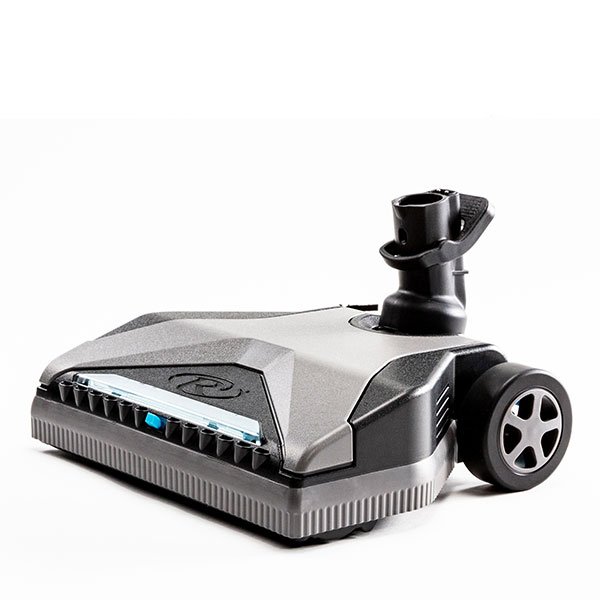
The Rainbow’s water filtration system traps pet hair, dander, and debris in a water basin instead of a bag or dry filter, so what it picks up stays captured instead of blowing back into the air your family, and your pets, breathe every day.
It’s built to handle more than open floor space, too: with the right attachments, it reaches the sofa cushions where pets nap, the corners where pet hair collects, and even car seats after a trip to the vet or the park. For multi-pet households, that’s the difference between a quick daily touch-up and actually staying ahead of shedding season.
How to Reduce Pet Hair at the Source
Cleaning up the fur is only half the equation — reducing how much ends up on your furniture in the first place makes every cleaning session shorter. Regular brushing, ideally a few times a week during heavy shedding periods, removes loose fur before it has a chance to spread around the house. A balanced diet with adequate omega fatty acids supports healthier skin and coat, which can noticeably cut down on excess shedding over time. Regular baths also help, though over-bathing can dry out skin and actually increase shedding, so it’s worth checking with a vet on the right frequency for your specific pet.
Common Pet Hair Cleaning Mistakes
Dry sweeping or dry brooming fur off hard floors tends to scatter fine dander into the air instead of removing it, which is counterproductive for anyone dealing with allergy symptoms. Skipping the pet’s own bed is another common miss — it’s often the single most concentrated source of shed fur and dander in the whole house, yet it rarely gets the same attention as the household’s own furniture. Ignoring the car is the third: a vehicle used for regular vet visits or park trips can end up with more embedded fur than the living room sofa.
A Pet Hair Cleaning Routine That Actually Works
Daily: A quick pass on high-traffic floors and the spots your pet naps in most.
Weekly: A full pass on sofas, upholstery, and the pet bed itself, where fur and dander build up fastest.
Monthly: Car seats, curtains, and the mattress, surfaces that collect shed fur more slowly but just as steadily.
Multi-Pet Households: Staying Ahead of Shedding Season
Two or three pets don’t just double or triple the amount of fur in a home — they compound it, since more animals means more overlapping shedding cycles throughout the year with barely a break in between. Households in this situation tend to notice the biggest difference when they switch tools, simply because a machine that actually keeps what it picks up stops the daily cycle of hair reappearing right after cleaning. For multi-pet homes, prioritizing the shared spaces — the sala, the pet beds, and any furniture more than one animal uses — covers the areas where fur accumulates the fastest.
Pet Hair: Quick Answers
Why does shed fur keep coming back so fast after vacuuming? Most vacuums lose suction quickly on embedded fur and recirculate fine dander through their exhaust, so the cycle restarts almost immediately.
Does the fur actually trigger allergies, or is it just dander? It’s mostly the dander, saliva, and skin proteins carried on the hair, not the hair strands themselves, that cause allergic reactions.
Is a water filtration vacuum better for fur than a bagless one? Bagless vacuums still rely on dry filters that let fine particles escape through the exhaust; trapping debris in water keeps dander from being redistributed back into the room.
How often should I deep clean furniture in a pet-owning home? Weekly for sofas and pet beds is a reasonable baseline, with a more thorough pass monthly on car seats, curtains, and mattresses.
Can short-haired pets still cause a shed fur problem? Yes — short hair sheds just as much as long hair, it’s simply less visible, which can actually make the dander exposure easier to underestimate.
Less Pet Hair, Fresher Air, Happier Home

Families with pets are often the ones most surprised by what a demo turns up — it’s usually not the amount of fur that shocks people, it’s what else the machine pulls out of furniture they thought was already clean.
Book a Free In-Home Demo and see what your pet has really been leaving behind.